The move comes 10 years after the bidding process was opened up to foreign manufacturers in 2006
1 : This paper can hold about 25% more flower than a single wide, hence its name
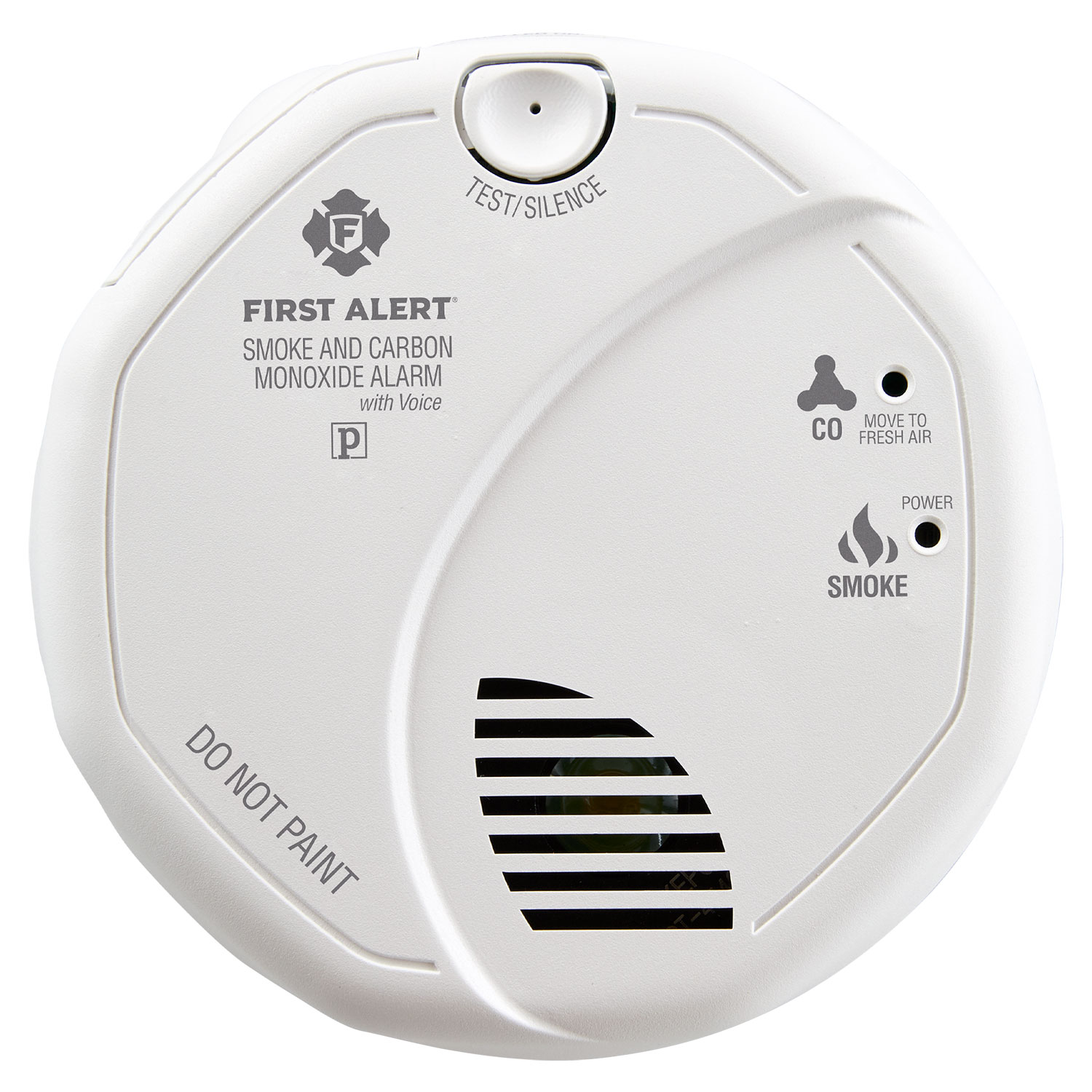
This 10-Year series is available in smoke, carbon monoxide and combination alarms
This innovative smoking technique aims to provide a cleaner smoke
Briefly review past work Overview of BAT work: Bioassays Pyrolysis Smoke chemistry SOME DEFINITIONS (a) Tobacco constituent: A substance naturally present in tobacco Tobacco ingredient: A substance, generally a flavor material, added to tobacco during the cigarette manufacturing process SOME DEFINITIONS (b) FLAVORS Impart a specific taste, flavor or aroma: Casings-applied to pre-cut tobacco (few %) - often recognised foodstuffs Flavorings (top flavors) - applied to cut and processed tobacco (ppm levels, several flavors in mixture) SOME DEFINITIONS (c) ADDITIVES Used for a specific technological purpose, e.g.: Humectants increase tobacco moisture-holding capacity Preservatives protect product deteriation from microorganisms Binders and strengtheners maintain physical state of product Fillers contribute to volume without contributing to odor, taste or flavor Potentially, ingredients can: Distil into smoke Decompose/oxidise and products enter smoke Reaction products react with smoke constituents and affect their yields and generate other smoke products GENERAL ASSUMPTIONS BY HEALTH AUTHORITIES Flavor ingredients increase the toxicity of smoke Low tar cigarettes have higher levels of flavor ingredients than higher yield cigarettes US Surgeon Generals Report, 1979 In a section discussing technical achievements to develop low tar cigarettes, stated: All of these developments have led to increased use of flavor additives, especially for low-tar, low-nicotine cigarettes